Amazonian Spores
The Amazonian strain is a popular Psilocybe cubensis variety believed to originate from the Amazon rainforest, known for its robust growth characteristics & reliable spore production.
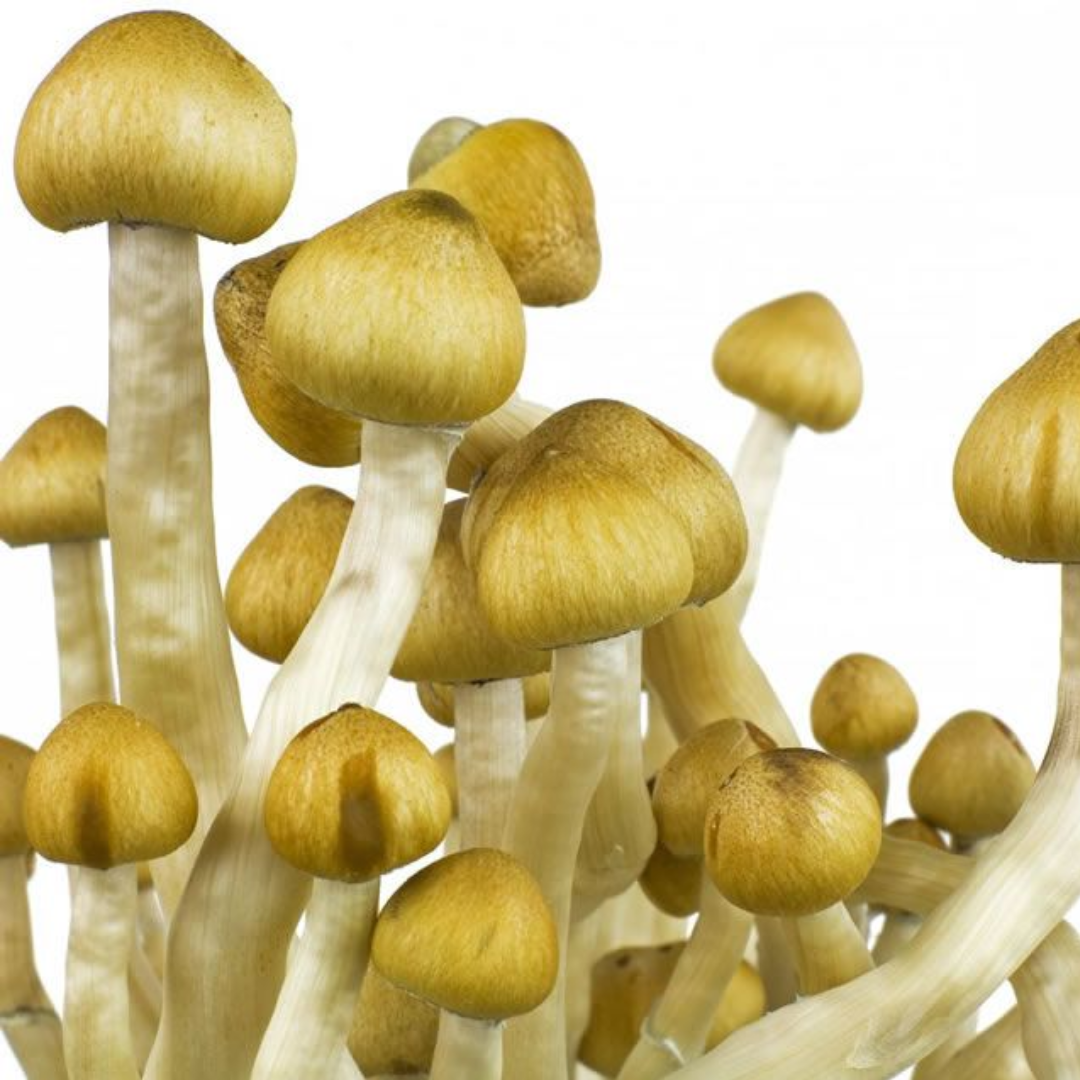
Overview of the Amazonian Strain
The Amazonian strain is a well-known variety of Psilocybe cubensis widely recognised within mycology research and microscopy communities. Named after its association with the Amazon rainforest region, this strain is frequently studied due to its distinctive spore morphology, genetic lineage, and historical significance in fungal taxonomy.
The Amazonian strain belongs to the species Psilocybe cubensis, one of the most extensively researched mushroom species worldwide. It is commonly referenced in microscopy studies focusing on spore structure, pigmentation, and taxonomic comparison between strains.
View available research specimens:
Amazonian Spore Syringe
Taxonomy and Classification
| Rank | Classification |
|---|---|
| Kingdom | Fungi |
| Phylum | Basidiomycota |
| Class | Agaricomycetes |
| Order | Agaricales |
| Family | Hymenogastraceae |
| Genus | Psilocybe |
| Species | Psilocybe cubensis |
| Strain | Amazonian |
Historical and Geographic Background
The Amazonian strain is believed to originate from regions within the Amazon rainforest. The humid tropical climate of the region provides an environment where Psilocybe cubensis naturally occurs.
Within scientific research, this strain is often referenced when comparing genetic variation between cubensis strains. Its historical association with tropical environments makes it a frequent subject in discussions of fungal biodiversity and ecological distribution.
Amazonian Spore Characteristics
Under microscopy, Amazonian spores demonstrate characteristics consistent with the Psilocybe cubensis species while still exhibiting subtle strain-specific variation.
Typical Microscopy Features
| Feature | Description |
|---|---|
| Spore Shape | Ellipsoid to sub-ellipsoid |
| Spore Colour | Purple-brown |
| Spore Surface | Smooth |
| Spore Wall | Thick-walled |
| Germ Pore | Present |
These identifying features make the strain suitable for microscopy comparison with other cubensis strains.
Relationship to Other Cubensis Strains
The Amazonian strain is frequently compared with other Psilocybe cubensis strains in taxonomy research. While all cubensis strains share core biological characteristics, individual strains can show slight variations in microscopic appearance.
| Feature | Amazonian | Golden Teacher | B+ |
|---|---|---|---|
| Origin | South America | Unknown | Hybrid |
| Spore Colour | Dark purple-brown | Dark purple | Dark purple |
| Research Interest | Ethnobotanical | Morphology | Hybrid stability |
Related strains often compared include:
- Golden Teacher
- B+
- Mazatapec
- Cambodian
- McKennaii
Explore the full cubensis strain hub:
Psilocybe Cubensis Strain Guide
Why Researchers Study the Amazonian Strain
The Amazonian strain is commonly included in microscopy collections due to:
- Clear species identification traits
- Stable genetic lineage documentation
- Representative cubensis spore morphology
- Historical significance in fungal research
Studying multiple strains helps researchers understand natural genetic diversity within a single fungal species.
Species vs Strain Explained
A species refers to a biologically classified group of fungi sharing core genetic characteristics.
A strain represents a genetic variant within a species.
The Amazonian strain is therefore:
Species: Psilocybe cubensis
Strain: Amazonian
Learn more here:
Complete Mushroom Spore FAQ
Storage and Handling for Microscopy Specimens
To maintain research integrity, spore specimens should typically be stored:
- In cool environments
- Away from direct light exposure
- In sealed sterile packaging
- With minimal temperature fluctuation
Proper storage helps preserve observable spore characteristics.
Legal Notice
All spores supplied by Mycotown are intended strictly for microscopy, taxonomy, and educational research purposes.
Customers are responsible for ensuring compliance with local laws and regulations before purchasing or possessing spores.
Amazonian Strain Summary
The Amazonian strain remains a widely recognised Psilocybe cubensis variant studied for its identifiable spore morphology and historical association with tropical fungal biodiversity. Its stable classification and research popularity make it a common reference point in cubensis strain comparison.
Further Reading

Written by Mycotown Editorial Team
The Mycotown Editorial Team is responsible for producing and reviewing educational and reference content across the site. Our focus is on accurate, responsible information relating to mushroom spores, microscopy, and lawful research practices. View author profile